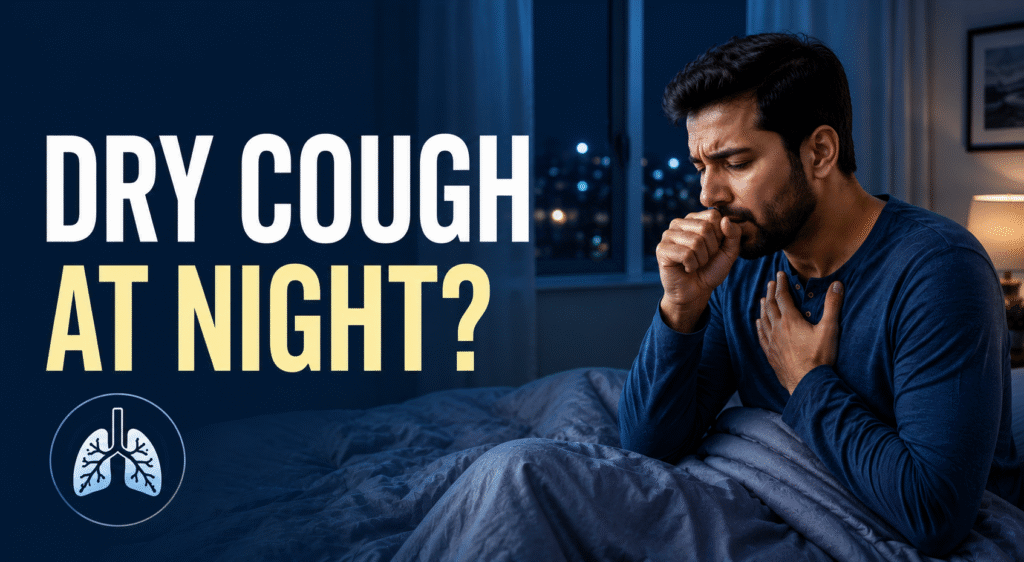
Why Do You Get a Dry Cough at Night?Common Causes and Treatment
A dry cough at night can be frustrating and uncomfortable, especially as it interrupts your sleep. Occasionally coughing can occur due to weather changes or throat irritation but a persistent nighttime dry cough can sometimes point to underlying health issues like allergies, asthma, acid reflux, or respiratory infections. In cities like Delhi , Kolkata ,Mumbai which have high AQI pollution, environmental triggers that can also worsen your cough at night. It’s important to understand the possible causes of a dry cough at night. The right treatment depends on identifying the actual reason for the symptoms your body has been showing. In this article, we will discuss the common causes, related symptoms, home remedies, treatment options, and when you should consider seeing a specialist i.e A Pulmonologist.
What Is a Dry Cough?
It’s a type of cough that does not produce mucus or phlegm. It gives irritation and may cause a tickling / itching sensation in the throat. Unlike a wet cough, which contains mucus as it clears it from the airways, a dry cough is usually linked to throat irritation, inflammation, allergies, or certain respiratory conditions.
Many people notice that dry cough symptoms become worse at night especially while they lay down. This can disturb your sleep and affect overall comfort and energy levels.Dry cough may last for a few days or continue for several weeks depending on the underlying cause.
Some example cases :
- “You may notice the cough starts as soon as you lie down.”
- “Many people wake up repeatedly because of throat irritation.”
- “The room may feel dry during the night.”
Why Does Dry Cough Get Worse at Night?
Many people notice that their cough feels manageable or almost fine during the day but becomes much more irritating once they try to sleep. You may lie down feeling fine, only to suddenly experience continuous throat irritation, frequent coughing, or the feeling of needing to clear your throat repeatedly throughout the night.
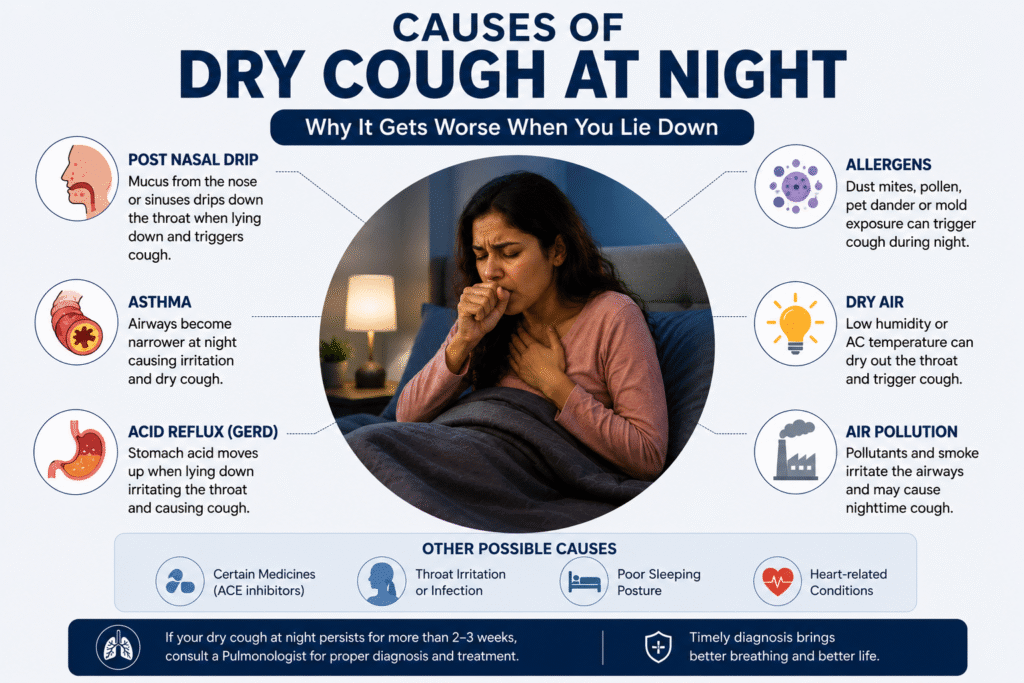
One of the most common reasons for this is because lying down changes how your body reacts. When you are in a sleeping position, mucus from the nose or sinuses can slowly drip toward the throat which triggers coughing. Similarly, acid reflux can also become more active at night,after late meals causing irritation in the throat that leads to a dry cough.
The air around you also plays an important role.Dust in pillows, bedsheets, air conditioners, or even dry indoor air can worsen your throat irritation while sleeping. For people living in polluted cities, exposure to smoke, dust, and poor air quality are common factors but we feel less affected during daytime but it affects our body airways at night.
In some cases, nighttime dry cough may also be linked to conditions such as asthma, allergies, or respiratory infections. These conditions make the airways more sensitive during sleep, leading to repeated coughing episodes that disturb restmode and leave you feeling tired the next morning.
If your cough regularly interrupts sleep, lasts for several weeks, or occurs along with symptoms like wheezing, breathlessness, or chest discomfort,don’t ignore them as it is important to consult your doctor to identify the exact cause and get treatment started.
Common Causes of Dry Cough at Night
A dry cough at night can happen for many different reasons. In some cases, it is temporary and improves within a few days following home remedies and OTC medicines, while in others it may point toward an underlying respiratory or lifestyle-related condition. Identifying the actual cause is important because treatment can vary from person to person.
Here are some of the most common reasons behind nighttime dry cough.
Asthma
Asthma is one of the most common causes of nighttime coughing. Some people may not experience obvious breathing difficulty during the day but notice frequent coughing once they lie down to sleep.
This happens because the airways become more sensitive and slightly narrower during the night, making it easier for coughing to get triggered. Along with dry cough, people may experience mild wheezing, chest tightness, or shortness of breath.
Nighttime coughing linked to asthma may become worse during weather changes, exposure to dust, strong smells, smoke, and pollution.
Allergies
Allergies often irritate the nose and throat airways, leading to persistent coughing at night or continuous sneezing . Dust mites in pillows, blankets, carpets, or pet hair are common indoor triggers that often become more noticeable during sleep.
Many people with allergies also experience symptoms such as sneezing, itchy eyes, blocked nose, or throat irritation. In some cases, mucus from the nose slowly drips down the throat while lying down, which can trigger coughing during the night.
Acid Reflux (GERD)
Acid reflux is another common reason behind dry cough at night. It occurs when stomach acid flows back toward the food pipe which irritates the throat.
This irritation often becomes worse after lying down, especially after heavy meals, intake of spicy food, tea, coffee, or late-night eating habits. Some people notice a sour taste in their mouth, mild chest burning, throat discomfort, or repeated coughing after going to bed.
Because the symptoms can sometimes feel unrelated to digestion, many people do not realize that acid reflux may actually be causing their nighttime cough.
Air Pollution and Environmental Irritants
Poor air quality can significantly affect the lungs and throat, especially in crowded and highly polluted cities. Continuous exposure to smoke, dust, traffic pollution, construction particles, or industrial pollutants can irritate the airways and trigger dry coughing.
Most of the time the cough becomes more severe during winter months, smog conditions, or after spending long hours outdoors in polluted environments.
Other factors like using air conditioners for long periods, dry indoor air, poor ventilation, or exposure to cigarette smoke can worsen throat irritation at night.
Viral Infections
A dry cough may continue even after recovering from a viral infection such as flu, cold, or other respiratory illnesses. It is because the airways remain sensitive for several days or weeks even after the infection improves as our body immunity system gets affected .
This is known as post-viral cough, where even small triggers like cold air, talking for long periods, or lying down can cause repeated coughing episodes.
While the cough usually improves gradually, persistent symptoms should not be ignored if they continue for a long time or worsen over time.
Smoking
Smoking can irritate and damage the airways, leading to coughing and throat irritation. Some smokers notice that coughing becomes more frequent at night or early in the morning.
Long-term smoking may also increase the risk of chronic bronchitis, COPD, and other lung conditions that can cause persistent cough and breathing difficulty.
Even passive smoking or regular exposure to secondhand smoke can irritate the lungs and trigger nighttime coughing in sensitive individuals.

Symptoms That May Occur Along With Nighttime Dry Cough
A dry cough at night may sometimes occur on its own and even gets better on its own, but in many cases, it can be accompanied by other symptoms depending on the underlying cause. Paying attention to these signs can help identify whether the cough is linked to allergies, asthma, acid reflux, infections, or other respiratory conditions.
Some commonly associated symptoms are :
- Throat irritation or a tickling sensation
- Wheezing or whistling sound while breathing
- Shortness of breath
- Chest tightness or discomfort
- Sneezing or nasal congestion
- Frequent throat clearing
- Burning sensation in the chest due to acid reflux
- Difficulty sleeping because of repeated coughing
- Fatigue or tiredness during the day due to disturbed sleep
Dry cough may become worse after exposure to dust, smoke, cold air, strong perfumes, or pollution.
Occasional coughing is usually not a serious concern but symptoms such as breathlessness, high fever, chest pain, coughing up blood, or cough lasting for several weeks should not be ignored and get medical evaluation with a specialist.
Home Remedies to Relieve Dry Cough at Night
Home remedies are not a cure for the underlying cause, but they may help in calming throat irritation and make it easier to rest until proper treatment is started.Home Remedies for dry cough can be effective for some people.
One of the simplest things that often helps is keeping the throat hydrated. Many people notice that the cough feels worse when the throat is dry, especially in air-conditioned rooms or during winter. Sipping warm water or herbal drinks through the evening can sometimes reduce that constant tickling sensation in the throat.Sipping excessive warm water may also cause dry throat.
Honey is an important ingredient used in Indian kitchens for treating cough because it has a soothing effect on throat irritation.Taking a small amount of pure honey before bedtime helps reduce the urge to cough during the night, although this can only bring temporary relief .
Environmental triggers play a big role. Dust, polluted air, or even something as simple as unwashed pillow covers can quietly worsen symptoms without being immediately obvious. In many cases, patients realise this when symptoms improve after changing their bedding or cleaning the room more regularly.
For individuals whose cough is linked with acidity or reflux, late-night meals are often a hidden trigger. Lying down soon after eating can allow stomach acid to move upward, irritating the throat and triggering coughing. Simply adjusting dinner timing can make a noticeable difference in such cases.
It is also important to avoid smoke exposure as much as possible. Even passive exposure can keep the airways inflamed, making recovery slower and symptoms more frequent.
These small adjustments may reduce discomfort but they are not a substitute for medical evaluation if the cough is persistent, recurring, or affecting sleep on a regular basis.You should consult your doctor for proper treatment.
When Should You See a Pulmonologist?
Occasional coughing at night is usually not a major concern, especially during weather changes, mild viral infections, or temporary throat irritation. However, a dry cough that keeps returning or continues for several weeks should not be ignored and particularly if it starts affecting your sleep, breathing, or daily activities.
Many people try home remedies, cough syrups, or self-medication for long periods without understanding the actual reason behind the cough. In some cases, the symptom may be linked to conditions such as asthma, allergies, acid reflux, chronic airway inflammation, or other respiratory problems which require proper evaluation.
It is advisable to consult a pulmonologist if the cough:
- Lasts for more than 2–3 weeks
- Regularly disturbs sleep at night
- Occurs along with wheezing or breathlessness
- Causes chest tightness or discomfort
- Becomes worse with pollution, dust, or physical activity
- Is associated with fever, unexplained weight loss, or fatigue
- Produces blood or unusual mucus
People with a history of smoking, asthma, recurrent allergies, or existing lung conditions should be especially careful about persistent nighttime cough symptoms.
Proper diagnosis helps doctors understand what may be triggering the cough and whether further evaluation is needed.
Understanding the Cause Through Proper Diagnosis
During the consultation, the doctor may ask questions about how long the cough has been present, whether it worsens after lying down, exposure to dust or pollution, smoking history, allergy symptoms, or associated problems such as wheezing, breathlessness, acidity, or fever.
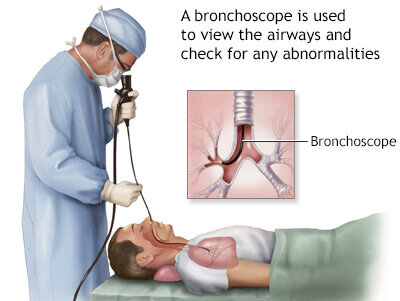
A pulmonologist may recommend tests such as lung function testing, chest imaging, allergy evaluation, or other investigations depending on patient symptoms and their medical history. Early diagnosis can help identify the cause more accurately and prevent symptoms from becoming more severe over time.
Lung Function Test (PFT)
A Pulmonary Function Test, commonly known as PFT, helps assess how well the lungs are working. It is often recommended when asthma, airway narrowing, or chronic respiratory conditions are suspected.
Chest X-ray or CT Scan
Imaging tests may help detect lung infections, inflammation, chronic lung disease, or other abnormalities affecting the respiratory system. In some cases, further imaging such as a CT scan may be required for a more detailed evaluation.
Allergy Evaluation
If allergies are suspected, the doctor may look for environmental triggers such as dust, pollen, smoke exposure, pet dander, or seasonal factors that could be irritating the airways.
Evaluation for Acid Reflux
When symptoms appear to worsen after meals or while lying down, acid reflux may also be considered as a possible trigger for nighttime coughing.
🩺Dr. Puneet Aggarwal – Not every patient requires extensive testing. The investigations usually depend on the severity of symptoms, duration of cough, medical history, and associated respiratory complaints. Proper diagnosis helps ensure that treatment is focused on the actual cause instead of only providing temporary relief from coughing.
🏥There is no need to panic if you experience dry cough at night occasionally, as it can happen due to several common and manageable causes. However, if the symptoms become persistent, keep disturbing your sleep, or continue recurring frequently, proper medical evaluation can help identify the underlying cause early and support more effective treatment and long-term respiratory health.
Related Posts
TB Treatment in Delhi – Symptoms, Diagnosis & Care
Tuberculosis (TB) Screening and Treatment in Delhi Tuberculosis (TB) remains…
World Tuberculosis Day (24 March): Why Early TB Detection Can Save Lives
TB Treatment in Delhi: Awareness and Early Detection on World…
Infertility Treatment – Causes, Symptoms & Solutions
Understanding Infertility: Causes, Symptoms & Treatment Options Infertility Treatment plays…