
Delhi Pollution and Its Impact on Heart Health
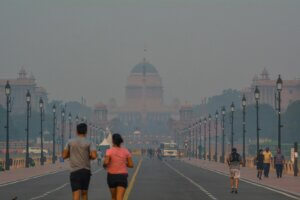
Delhi pollution and heart health are closely connected, as the city’s worsening air quality continues to expose millions of people to harmful pollutants every day. Delhi’s air quality regularly declines during the cooler months, and the resulting smog is a serious cardiovascular hazard. Fine particulate matter (PM2.5 and PM10), vehicle emissions, industrial smoke, and crop-burning particles enter the lungs and can directly affect the heart.
Why air pollution matters for the heart

When we breathe polluted air, tiny particles pass from the lungs into the bloodstream. These particles trigger inflammation, oxidative stress, and changes in blood pressure and clotting. Over weeks, months, and years these effects accelerate atherosclerosis (blocked arteries) and increase the risk of heart attack, stroke, irregular heartbeat, and heart failure.
Short-term exposure can also trigger acute problems: chest pain, breathlessness, or an irregular pulse — especially in people with existing heart disease, diabetes, or high blood pressure.
Key pollutants that impact cardiovascular health- Delhi Pollution
-
PM2.5 (fine particles): Small enough to enter the bloodstream and the primary cardiovascular threat.
-
PM10: Larger particles that irritate lungs and exacerbate heart-lung stress.
-
Nitrogen dioxide (NO₂) & Sulfur dioxide (SO₂): Increase inflammation and respiratory strain, indirectly worsening heart conditions.
-
Ozone (O₃): Can worsen oxidative stress and respiratory issues that burden the heart.
Signs and symptoms to watch for (Delhi Pollution)
If you live in or commute through high-pollution areas, watch for:
-
New or worsening chest pain or tightness
-
Unexplained shortness of breath or sudden fatigue
-
Palpitations or feeling your heart skip beats
-
Swelling in legs or sudden dizziness
If any of these occur, especially in people with known heart disease, seek medical advice promptly.
Practical steps to protect your heart (daily & long-term)
-
Monitor AQI daily. Avoid heavy outdoor activity when AQI is “unhealthy” or worse.
-
Prefer N95/FFP2 masks outdoors during high pollution days — they reduce fine particle inhalation.

-
Use an air purifier with a HEPA filter in bedrooms and living rooms. Keep windows closed on severe days.
-
Choose indoor exercise when outdoor air is poor; use facilities with good ventilation or filtered air.

-
Eat antioxidant-rich foods (berries, leafy greens, nuts, green tea) to help reduce oxidative stress.

-
Control cardiovascular risk factors — keep blood pressure, diabetes, and cholesterol in target ranges.
-
Regular cardiac checkups — ECG, lipid profile, and personalized advice from your cardiologist.
-
Community action: support public transport, green zones, and anti-burning policies to reduce pollution at the source.
Clinical perspective: who’s most at risk
Older adults, people with coronary artery disease, heart failure, diabetes, hypertension, and smokers are at higher risk. Pregnant women and young children are vulnerable too, with long-term exposure linked to developmental and lifelong health consequences.
_________________________________________________________________
What SRC Medical & Maternity Centre offers
At SRC we provide comprehensive cardiac screening and prevention: ECGs, echocardiography, stress testing, risk stratification, and tailored lifestyle plans. Early detection and risk management can significantly reduce pollution-related heart complications.
Conclusion — individual action + systemic change
Delhi’s air pollution is a community health challenge that directly affects heart health. Individual precautions (masks, purifiers, diet, checkups) combined with public policies (cleaner fuel, reduced vehicle use, green cover) are both essential. Protect your heart by staying informed, reducing exposure, and seeking care early when symptoms appear.
For AQI click on below this:
https://cpcb.nic.in/real-time-air-quality-data/
Related Posts
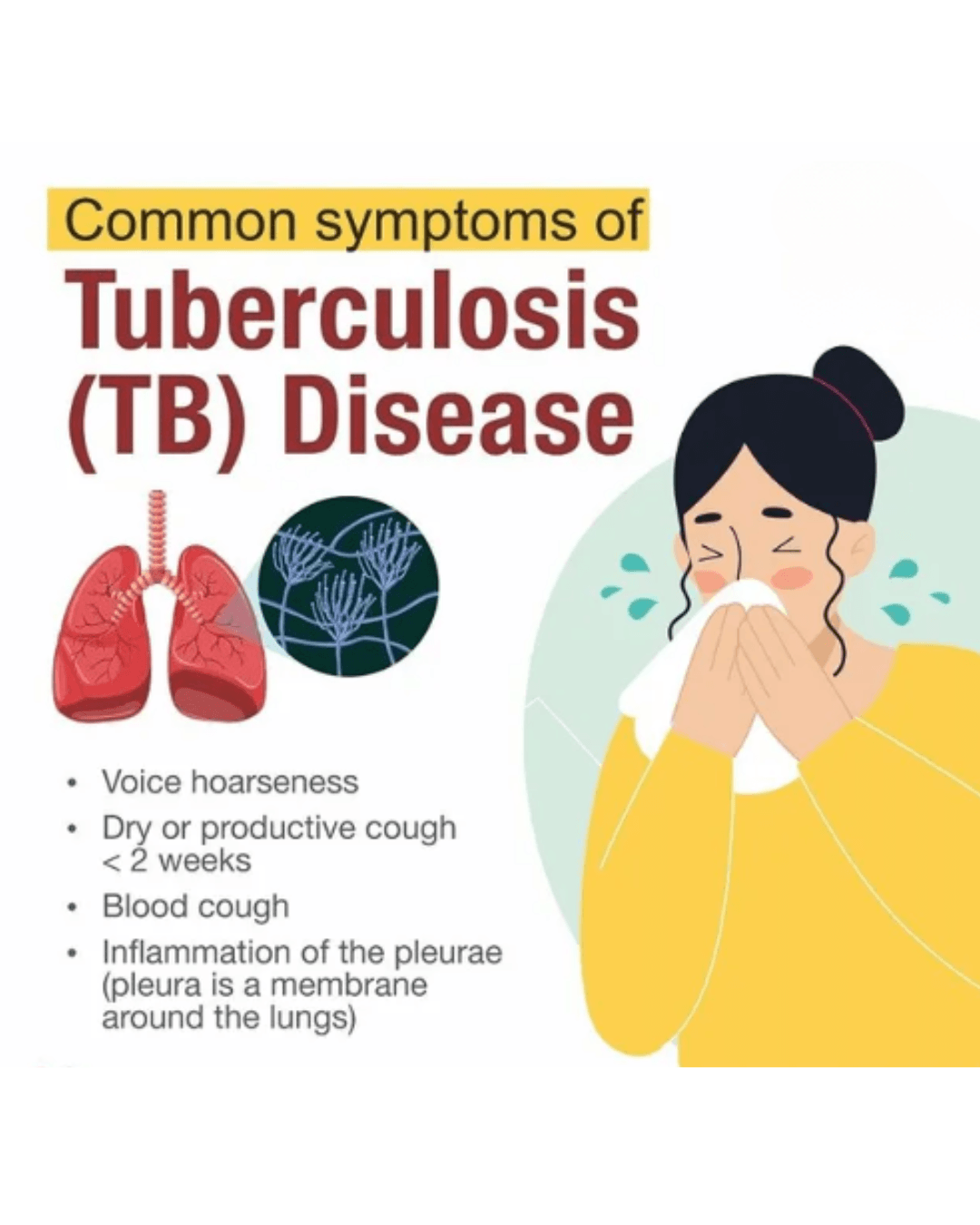
TB Treatment in Delhi – Symptoms, Diagnosis & Care
Tuberculosis (TB) Screening and Treatment in Delhi Tuberculosis (TB) remains…
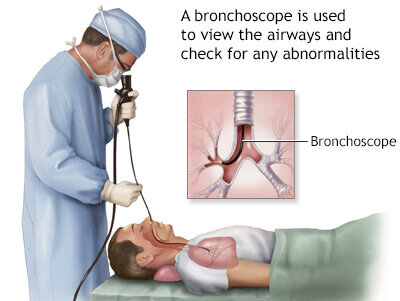
Bronchoscopy diagnostic and therapeutic procedure by pulmonologist
Bronchoscopy Diagnostic and Therapeutic - Dr. Puneet Aggarwal A safe,…

Sleep Study & Sleep Apnoea–Related Disorders
Sleep Study & Sleep Apnoea –Related Disorders Sleep Study &…